Identify the recipient
Confirm that the agency or company has authority over the issue. BSP supervises banks and certain financial institutions; SEC oversees companies, lending and financing firms, and securities activities within its mandate.
Send the report to the right place
Reporting quickly can help protect an account, preserve a transaction trail, remove a fraudulent profile, and warn other people. Start with the organisation that can act on the immediate risk.
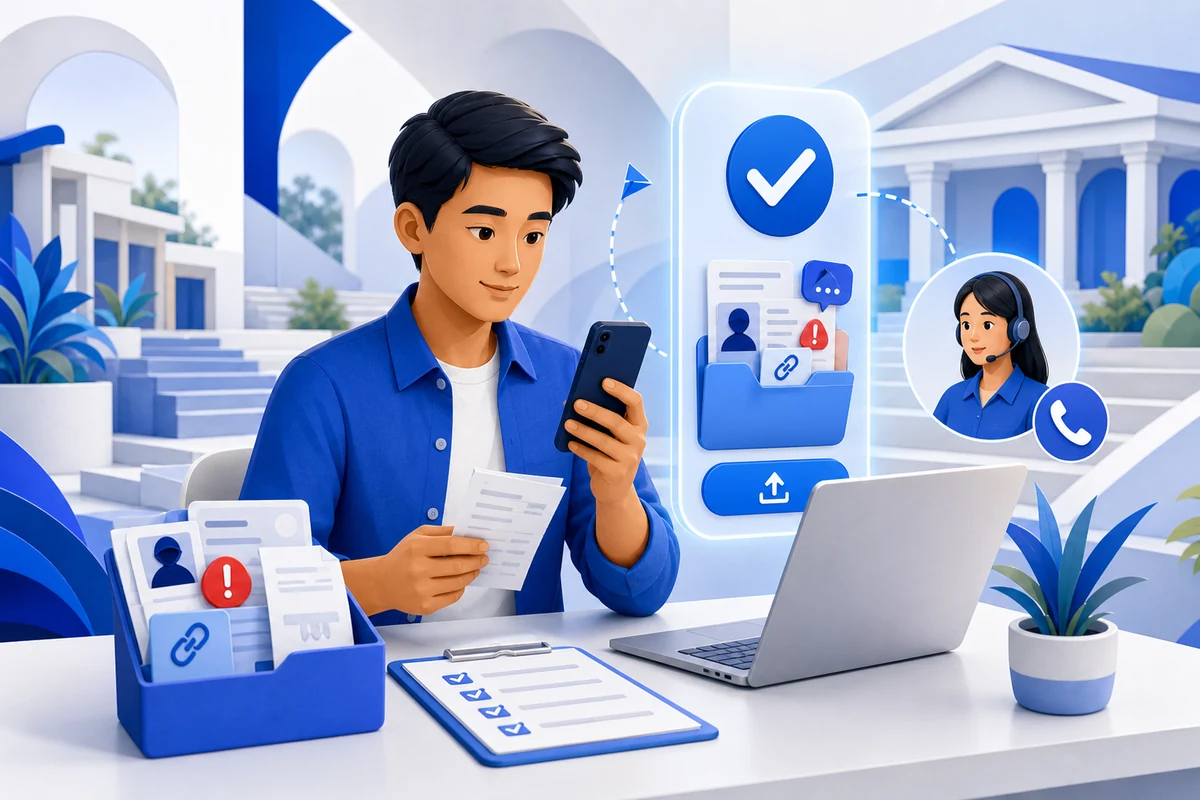
A bank handles the account or transfer, a platform handles the profile or advertisement, a telco handles a scam number, and government agencies handle complaints or investigation within their authority. Filing with one does not automatically notify the others. Keep every case and reference number.
Report facts in chronological order. Do not send passwords, PINs, OTPs, full card details, or unnecessary identity documents in a complaint.
Call the bank, card issuer, e-wallet, transfer service, or exchange using its official fraud channel. Ask about blocking access, holding funds, recalling the transfer, or filing a dispute.
Keep screenshots, original messages, email headers, profile and page URLs, usernames, phone numbers, account names, transaction IDs, amounts, dates, and receipts. Do not alter the originals.
State when contact began, what was claimed, what you did, what information was shared, how payment was made, and what happened afterward. Separate facts from assumptions.
Report the account to the platform, the number to NTC, the cybercrime to CICC, and the financial or investment concern through the responsible institution and regulator.
A report is easier to act on when it identifies the subject, channel, transaction, and requested outcome without exposing new sensitive information.
Confirm that the agency or company has authority over the issue. BSP supervises banks and certain financial institutions; SEC oversees companies, lending and financing firms, and securities activities within its mandate.
Record the date, channel, representative, case number, promised next step, and expected response time. Use the same reference when following up.
Be specific: block access, dispute a charge, recall a transfer, correct account information, investigate an unauthorised transaction, or remove a fraudulent listing.
Scammers monitor public complaints and contact victims pretending to be agents, lawyers, hackers, or officials. Do not pay an advance fee or share account access for recovery.
Use official websites or known customer-service channels. Verify contact details again before sending documents.
First stop for blocking access, tracing a payment, disputing a transaction, and obtaining a complaint reference.
Complain to the institution first. If unresolved, escalate through BSP Online Buddy with the institution’s reference and supporting documents.
Call 1326 and use current CICC reporting channels for online scam incidents.
Use the NTC reporting form for the sending number and message evidence.
Check current SEC advisories and use SEC channels for entities and activities within its authority.
If money or account access is at risk, contact the provider before completing a general report. A regulator or cybercrime report is important, but it does not replace the urgent call to block an account or attempt a transaction recall.